

Table of Contents
- What Bone-on-Bone Knee Pain Actually Means
- Can You Actually Prevent Bone-on-Bone Knee Osteoarthritis?
- Knee Strengthening Exercises for Osteoarthritis Prevention
- Low-Impact Exercises for Knee Pain Management
- Weight Management for Knee Osteoarthritis
- Non-Surgical Knee Pain Relief and Activity Modification
- When to Seek Professional Assessment
- Frequently Asked Questions
Last Updated: October 18, 2026
What Bone-on-Bone Knee Pain Actually Means
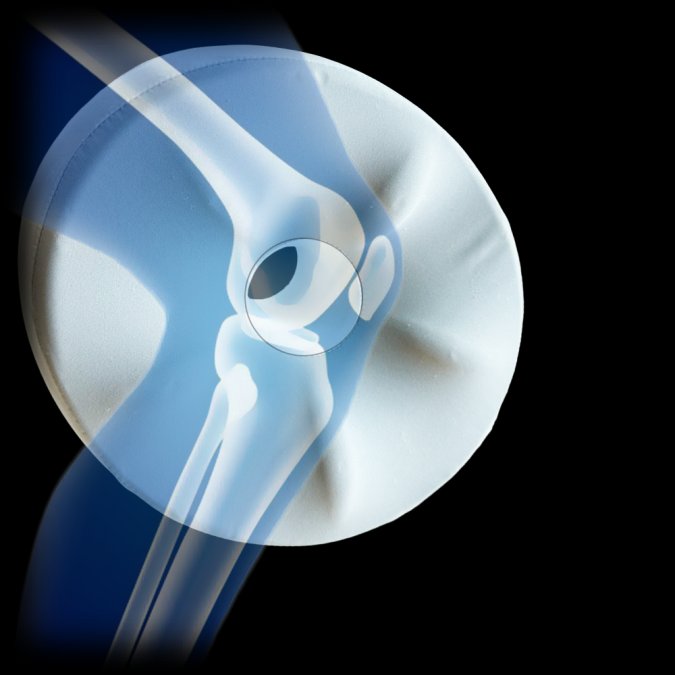
Bone-on-bone knee pain occurs when the cartilage cushioning your knee joint wears down significantly, letting the bones rub directly against each other. It develops gradually as the protective cartilage layer thins.
Cartilage acts as a shock absorber; as it breaks down, the joint space narrows until bone surfaces may contact directly. This is advanced osteoarthritis, and it's progressive, not overnight.
Stiffness, swelling, and reduced range of motion often appear before this stage, and the right approach to exercise, weight management, and activity modification can help prevent bone on bone knee progression significantly.
Can You Actually Prevent Bone-on-Bone Knee Osteoarthritis?
You cannot regrow cartilage that has already worn away, but you can meaningfully reduce your risk of reaching advanced joint-space narrowing and slow progression if damage has started. Those are two different goals.
What "Bone on Bone" Really Means
"Bone on bone" is a colloquial phrase, not a formal diagnosis. It usually describes advanced osteoarthritis in which the joint space between the femur and tibia has narrowed severely on imaging. Many people with this finding still have manageable symptoms; others with less narrowing have more pain. It describes a stage of joint change, not a sentence.
Osteoarthritis typically develops over years, with stiffness after rest, swelling, and reduced range of motion appearing long before severe narrowing. That long runway is where prevention lives.
Prevention vs. Slowing Progression
It helps to separate two goals:
- Primary prevention (protecting healthy cartilage): reducing the load, inflammation, and injury risk that contribute to cartilage breakdown over time.
- Secondary prevention (slowing progression): protecting the cartilage and joint function you still have once early changes are present.
Neither goal restores lost cartilage. The evidence most consistently supports staying active, keeping muscles strong, managing body weight, and avoiding repetitive joint overload, associated with better function and slower decline, not a guarantee.
Personalizing Prevention by Risk Factor
Prevention depends on several factors:
- Age: Cartilage resilience declines with age, so consistency of low-impact activity matters more than intensity.
- Prior knee injury: A previous ACL, meniscus, or cartilage injury raises long-term risk. Prioritize strength work and avoid returning to high-impact sport too quickly.
- Alignment: Bow-legged or knock-kneed alignment shifts load to one side. A clinician can assess footwear, activity choices, or bracing.
- Occupation: Kneeling, squatting, or stair climbing loads the knee repeatedly. Micro-breaks, knee pads, and task rotation reduce cumulative stress.
- Activity level: Sudden spikes in training volume trigger flare-ups. Increase gradually.
- Body weight: Excess weight increases load with every step; even modest, sustained weight loss reduces it.
What the Evidence Supports, and What It Doesn't
The strongest evidence supports strengthening exercises, weight management, and activity modification; physical therapy and structured exercise programs have good support for improving function and reducing pain. Heat, ice, and over-the-counter pain relief help you stay active but don't change the underlying process. Evidence for supplements is limited or mixed, so treat them as optional.
A Realistic Expectation
Start early and stay consistent to preserve joint function longer. If damage is present, the goal shifts to slowing progression and managing symptoms so you can stay active. Either way, the actions are similar, starting before pain becomes severe makes the biggest difference.
Knee Strengthening Exercises for Osteoarthritis Prevention
Strong quadriceps, hamstrings, and hip muscles absorb impact and reduce stress on cartilage, making strengthening one of the most effective ways to prevent bone on bone knee damage, but how you progress matters as much as what you do.
Building Muscle to Protect Joint Space
Weak muscles force your knee joint to work harder; strong surrounding muscles share the load and protect cartilage from excessive friction.
A Progressive Weekly Plan
Rather than doing the same routine indefinitely, progress in stages. Start where you are and advance only when the current stage feels manageable for a full week.
Weeks 1-2 (foundation):
- Quad sets: Tighten your thigh muscle while sitting, hold for 3 seconds, repeat 15 times. Twice daily.
- Straight leg raises: Lie on your back, keep one leg straight, lift it about 12 inches, hold 2 seconds, lower slowly. 12 reps per leg.
- Glute bridges: Lie on your back with knees bent, push through heels to lift hips, hold 2 seconds, lower. 15 reps.
- Clamshells: Lie on your side with knees bent, lift your top knee while keeping feet together, hold 2 seconds. 12 reps per side.
Perform 2-3 times per week with a rest day between sessions.
Weeks 3-4 (build):
- Add a light resistance band to clamshells and glute bridges.
- Add step-ups onto a low platform (4-6 inches), 10 reps per leg.
- Increase to 2-3 sets per exercise as tolerated.
Weeks 5+ (progress):
- Add light ankle weights or a stronger band for the exercises that now feel easy.
- Increase step height gradually, staying controlled.
- Keep one rest day between strengthening sessions.
Gradual progression builds strength without overwhelming your joint.
How to Respond to Pain During Activity
Mild muscle soreness after exercise is normal and usually settles within 24-48 hours. Reduce or stop for sharp pain during exercise, swelling that increases and doesn't settle, pain that worsens over successive sessions, or a knee that feels unstable. If a flare occurs, ease off for a few days, use ice after activity, and return at a lower level.
Personalizing the Plan
If you've had a knee injury or surgery, or you're unsure whether an exercise is safe, work with a physical therapist who can assess your strength, flexibility, and movement patterns and tailor the progression. For most people, consistency across weeks matters more than any single exercise.
Low-Impact Exercises for Knee Pain Management
High-impact activities like running and jumping stress your knee joint; low-impact alternatives protect cartilage while keeping you active.
Walking is the most accessible option.
Swimming and water aerobics support your body weight, eliminating impact stress. Aim for 30-minute sessions, 3-4 times per week.
Stationary cycling keeps your knee moving through its range of motion without impact.
Elliptical machines provide cardiovascular benefit with a smooth, gliding motion gentler on your knee than pavement running.
Cross-training, alternating walking, swimming, and cycling through the week, prevents overuse of any single joint while building overall fitness.
knēNest Side Sleeper Alignment Knee Pillow – Patent Pending →
Weight Management for Knee Osteoarthritis
Each pound of body weight adds 3-4 pounds of pressure across your knee when you walk, so weight management directly impacts joint health.
Gradual weight loss of 1-2 pounds per week is sustainable and effective; focus on consistency rather than rapid results.
Dietary changes matter more than exercise alone for weight loss. Reduce processed foods, added sugars, and excessive calories. Increase vegetables, lean proteins, and whole grains.
Movement and nutrition work together: exercise builds muscle and burns calories, while proper nutrition supports recovery and prevents excess weight gain. Both are necessary.
Non-Surgical Knee Pain Relief and Activity Modification
Pain management lets you stay active while protecting your joint; multiple approaches work better together than any single strategy.
Apply heat for 15-20 minutes before exercise to reduce stiffness and improve circulation. Apply ice for 15-20 minutes after activity if you experience increased swelling.
Over-the-counter pain relief provides short-term relief that lets you exercise and stay active. Use it strategically, before exercise or when pain interferes with activity, rather than masking pain all day.
Shoes with good cushioning and arch support reduce impact stress; replace worn shoes regularly, since worn-out soles lose their shock-absorbing properties.
Flexibility, Stretching, and Range of Motion
Tight muscles limit your knee's range of motion and increase joint stress; regular stretching maintains flexibility and supports better joint function.
Hold each stretch for 30 seconds, gently, aiming for mild tension, never to the point of pain.
Key stretches for knee health:
- Quadriceps stretch: Stand on one leg, pull your foot toward your buttock, hold 30 seconds per leg.
- Hamstring stretch: Sit with one leg extended, reach toward your toes, hold 30 seconds per leg.
- Calf stretch: Face a wall, step one leg back, keep heel down, lean forward gently, hold 30 seconds per leg.
- Hip flexor stretch: Kneel on one knee, push your hips forward, hold 30 seconds per side.
- Piriformis stretch: Sit on a chair, cross one ankle over opposite knee, lean forward gently, hold 30 seconds per side.
Perform these stretches 5-7 days per week; morning stretching reduces stiffness, and evening stretching prepares muscles for recovery during sleep.
Sleep Position and Alignment for Joint Health
Your sleep position affects joint alignment and recovery. Side sleeping places pressure on your knee joint if not properly supported; proper positioning reduces overnight stiffness.
The knēNest® Side Sleeper Alignment Knee Pillow is designed for this purpose. Its contoured shape keeps your knees properly separated and supported throughout the night.

Many side sleepers find proper knee support during sleep reduces morning stiffness.
Return to proper alignment whenever you shift positions during the night. Some people place a pillow behind their back to prevent rolling onto their stomach, which twists the knee joint.
When to Seek Professional Assessment
Self-care works well for many people, but a physical therapist can assess your situation and create a personalized exercise plan.
Seek professional assessment if:
- Pain persists despite consistent self-care for 4-6 weeks
- Swelling increases or doesn't improve with ice and elevation
- Your knee feels unstable or gives way unexpectedly
- You cannot perform daily activities comfortably
- You're unsure whether an exercise is safe for your situation
A physical therapist evaluates your strength, flexibility, and movement patterns, identifies specific weaknesses and imbalances, and teaches proper form to maximize benefit and minimize risk.
Professional guidance is especially important when recovering from knee surgery or injury, since rehabilitation needs are specific and oversight ensures proper progression.
Protecting your knee joint requires consistent effort across strengthening, weight management, low-impact activity, and sleep alignment.
The knēNest® Side Sleeper Alignment Knee Pillow supports this process by maintaining proper joint alignment during sleep, when your body recovers and repairs. Combined with daytime exercise and activity modification, proper sleep positioning creates an environment where your knee joint can function optimally. Try the knēNest® knee pillow with our 60-night comfort trial and experience how alignment during sleep supports your overall knee health strategy.
Strategy |
Frequency |
Duration |
Best For |
|---|---|---|---|
Strengthening exercises |
3-4 times weekly |
15-20 minutes |
Building muscle around knee |
Walking |
5-7 times weekly |
20-30 minutes |
Low-impact cardio |
Stretching |
5-7 times weekly |
5-10 minutes |
Maintaining flexibility |
Weight management |
Daily |
Ongoing |
Reducing joint stress |
Sleep positioning |
Every night |
7-8 hours |
Joint recovery and alignment |
Frequently Asked Questions
Can you prevent bone-on-bone knee osteoarthritis?
Bone-on-bone knee pain develops when cartilage wears down over time. While you cannot reverse existing cartilage loss, research shows that consistent exercise, weight management, and activity modification can slow progression and reduce symptoms. Early intervention—particularly strengthening exercises and low-impact activities—protects remaining joint space and helps maintain function. Results vary based on your starting point, genetics, and how consistently you follow prevention strategies.
What exercises help prevent bone-on-bone knee pain?
Knee strengthening exercises for osteoarthritis focus on quadriceps, hamstrings, and hip muscles that stabilize the joint. Effective options include controlled leg lifts, wall sits, step-ups on low platforms, and resistance band work. Low-impact exercises for knee pain like walking, swimming, and cycling protect joint space while building muscle strength. Start with 2-3 sessions per week and progress gradually. Consistency matters more than intensity—your body needs time to adapt to a new routine.
How does weight management reduce knee pain?
Every kilogram of body weight increases stress on your knees during daily activities. Weight management for knee osteoarthritis reduces joint overload, which slows cartilage wear and decreases inflammation and swelling. Even modest weight loss—5-10% of body weight—can meaningfully improve function and comfort. Combine gradual weight loss with strengthening work; muscle supports the joint, so losing weight alone without building strength is less effective.
What non-surgical options help manage knee pain at night?
Non-surgical knee pain relief includes stretching before bed to maintain flexibility, applying heat or ice as needed, and positioning your knees for joint alignment during sleep. A contoured knee pillow designed for side sleepers—like the knēNest Side Sleeper Alignment Knee Pillow—supports natural knee separation and reduces knee-on-knee pressure. Consistent sleep positioning supports overall joint health and reduces morning stiffness.